
Blog
Insights on AI training data, robotics, evaluation, and building better AI.

Why Egocentric Video Is the Future of Robot Learning
One hour of first-person human video can be worth ten of teleoperation — and in 2026 a pair of glasses is out-scaling the robot fleets. Here's the evidence, the dataset stack behind it, and what separates data that transfers from data that quietly poisons a policy.
Read moreThe VLA Revolution: One Brain for Every Robot
π0.7, GR00T N1.7, Gemini Robotics — Vision-Language-Action models now train once across many robots and adapt to a new one with a LoRA fine-tune. The bottleneck moved from the model to the data. Here's the architecture shift, the numbers, and why collecting alone is a losing strategy.
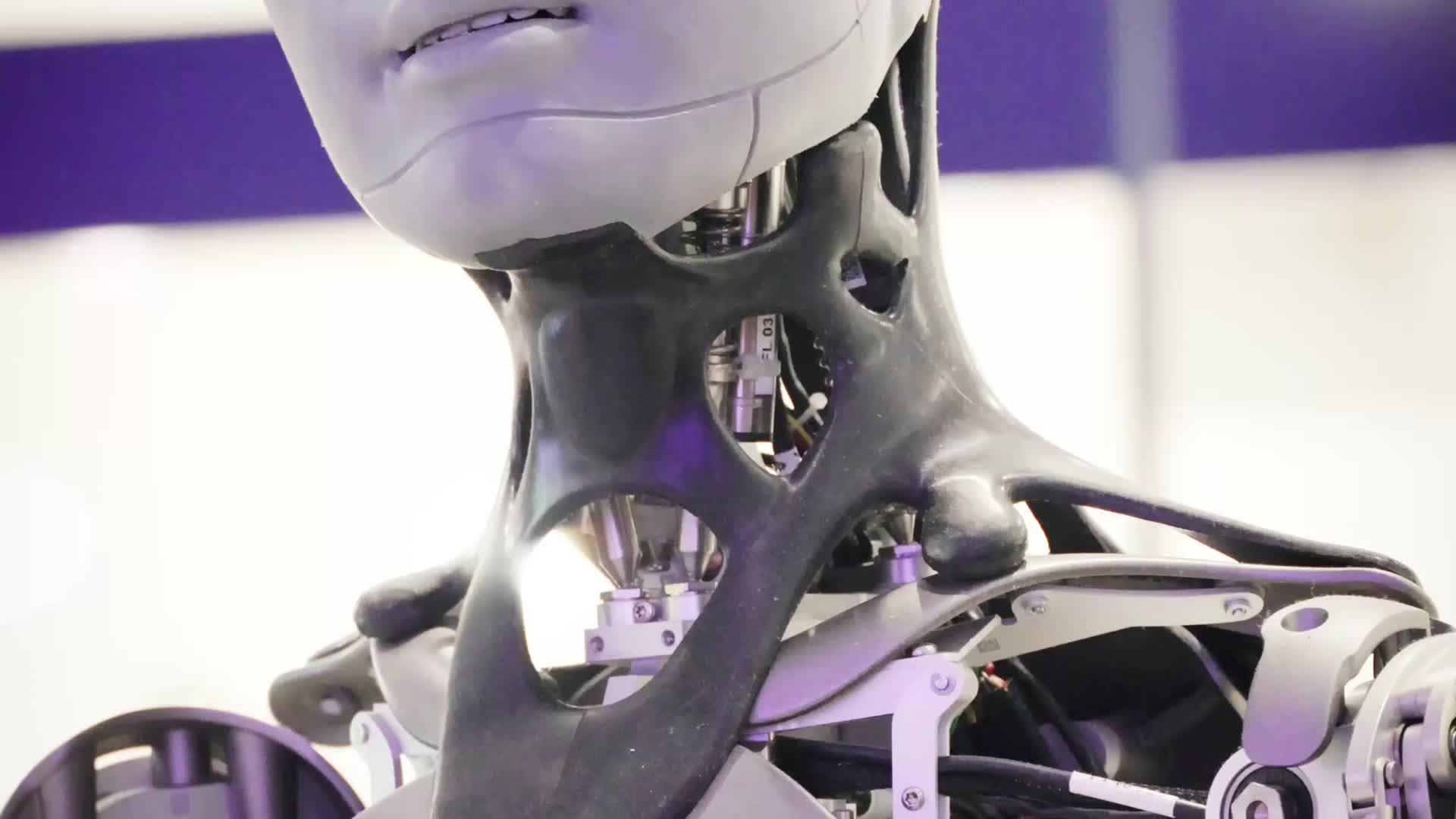
World Models & Game Data: Teaching Robots to Imagine
Genie 3, Cosmos 3, Dreamer 4 — world models became the defining AI battleground of 2026, with LeCun and Fei-Fei Li both betting their next decade on them. Robots don't play games, but they learn to predict consequences. Here's why labs collect game data, and why real robot video still grounds it all.

Data Quality Is the Hidden Moat in Physical AI
DROID took 13 institutions and 12 months to collect 76,000 clean episodes. Cheap data farms ship whatever they record. AI-native QC — rejecting the broken 20–30% before a human looks — is what separates lab-grade data from noise, and in 2026 automation is quietly rewriting the economics of the moat.

RLHF vs SFT: Choosing the Right Post-Training Approach for Your AI Model
A practical guide to understanding when to use Reinforcement Learning from Human Feedback versus Supervised Fine-Tuning, with real-world examples and decision frameworks.
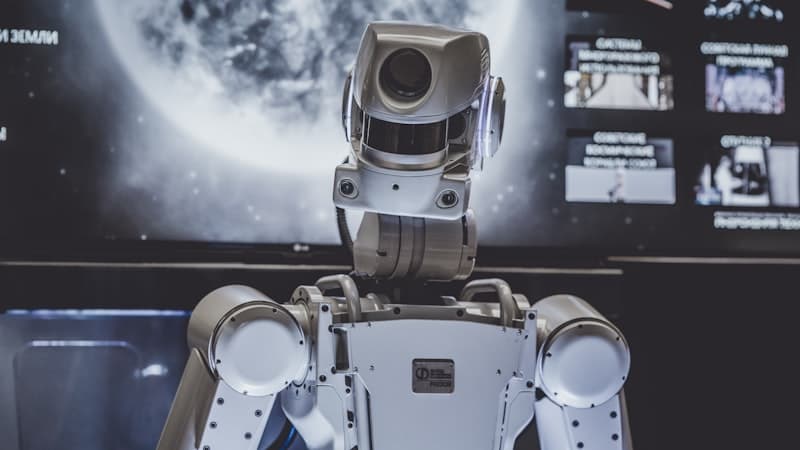
Building Training Data for Physical AI: From Motion Capture to Robot Learning
How to design and capture high-quality motion data for humanoid robots, manipulation tasks, and sim-to-real transfer pipelines.
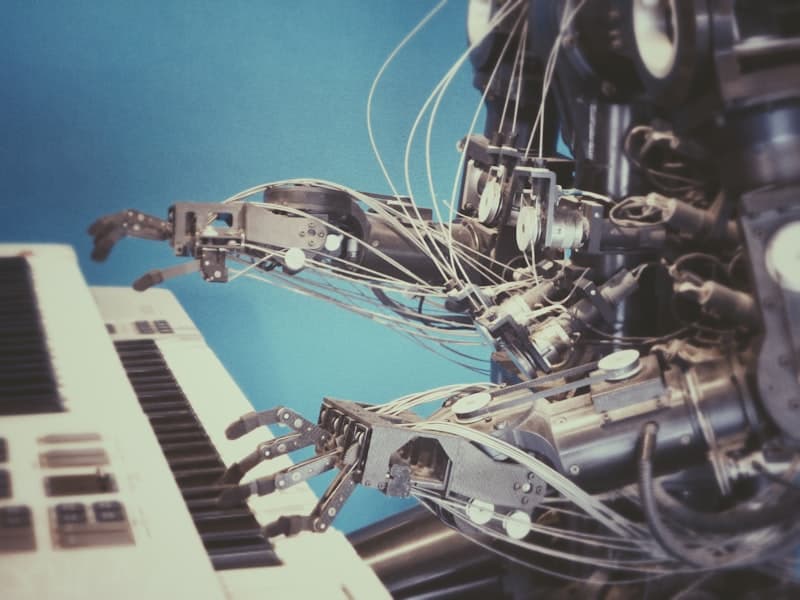
How to Evaluate AI Terminal Agents: Beyond Code Generation Benchmarks
Why HumanEval is not enough, and how multi-step reasoning benchmarks like Terminal Bench measure what matters for production AI agents.
19 articles