Why Egocentric Video Is the Future of Robot Learning
One hour of first-person human video can be worth ten of teleoperation — and in 2026 a pair of glasses is out-scaling the robot fleets. Here's the evidence, the dataset stack behind it, and what separates data that transfers from data that quietly poisons a policy.
By Tbrain Research
Robot foundation models don't lack compute. They lack synchronized, action-paired data captured in the messy real world — and in 2026 the fastest-growing answer to that shortage isn't a bigger teleoperation fleet. It's a pair of glasses.
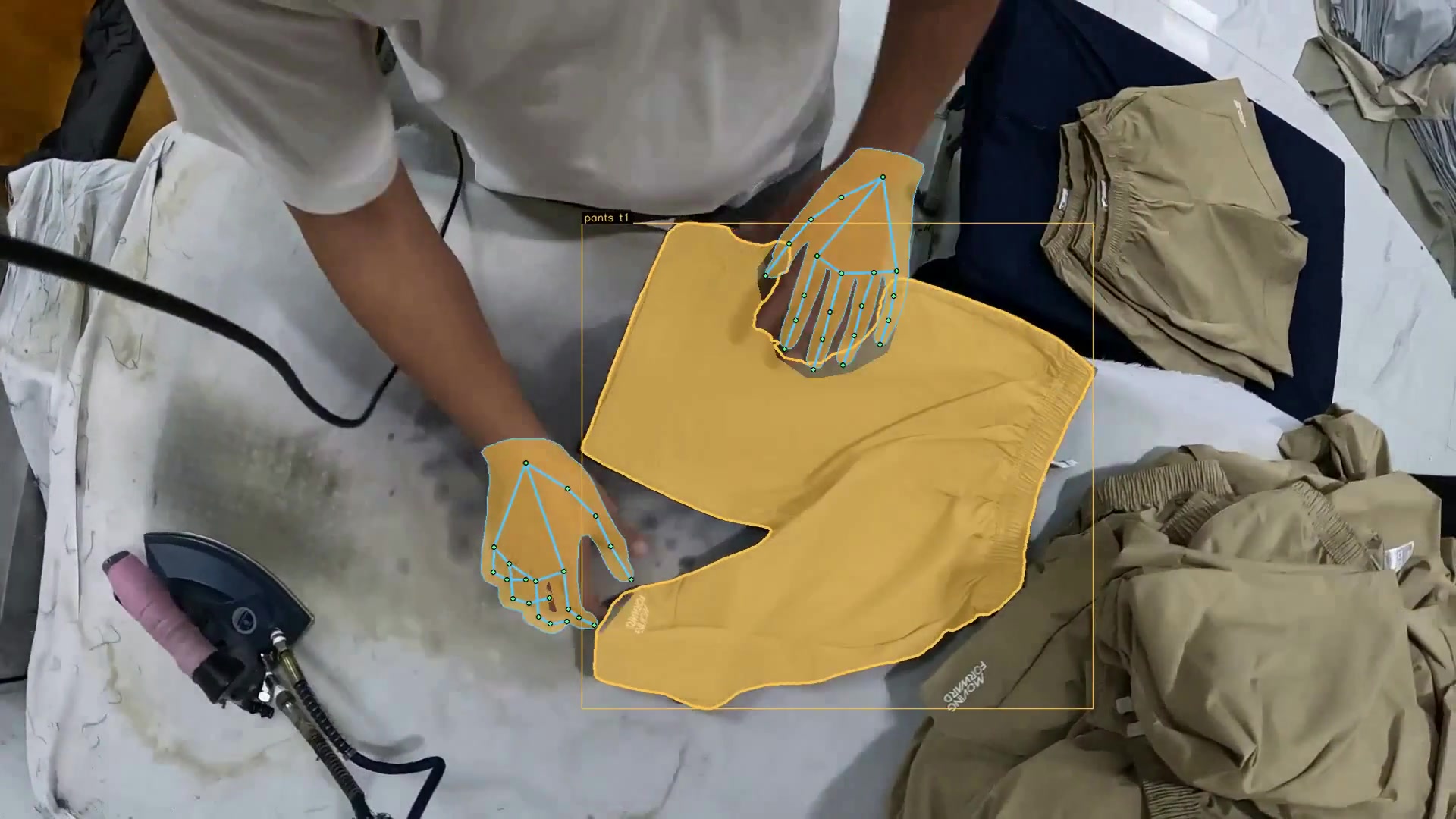
The shift is happening because the old way of manufacturing robot data has hit a wall of cost and throughput, and a new way — first-person human capture — scales along a curve that looks unnervingly like the one that made large language models work.
The data wall every lab hits
Teleoperation is still the gold standard for clean, action-labeled robot demonstrations. It is also slow and expensive. A single teleoperated episode takes 1 to 10 minutes of skilled operator time, and quality degrades the moment an operator is unfamiliar with the robot's dynamics. Packaged teleop pricing fell from roughly $340/hr in early 2024 to about $118/hr in 2026, but the throughput ceiling barely moved — on the order of 135 demonstrations an hour, per robot, per human.
Web video is the opposite failure mode: effectively infinite, but passive. A YouTube clip carries no joint angles, no gripper state, no contact forces. A model can watch a million hands pour coffee and never learn the torque profile that keeps the cup from slipping. The three classic sources each break somewhere:
| Data source | Action labels | Scale | Real-world physics |
|---|---|---|---|
| Teleoperation | Exact | Slow / costly (1–10 min/ep) | Yes |
| Web video | None | Effectively infinite | Yes, but unlabeled |
| Simulation | Exact | Cheap / infinite | Approximated (sim-to-real gap) |
| Egocentric human | 3D hand pose | Scales with people | Yes |
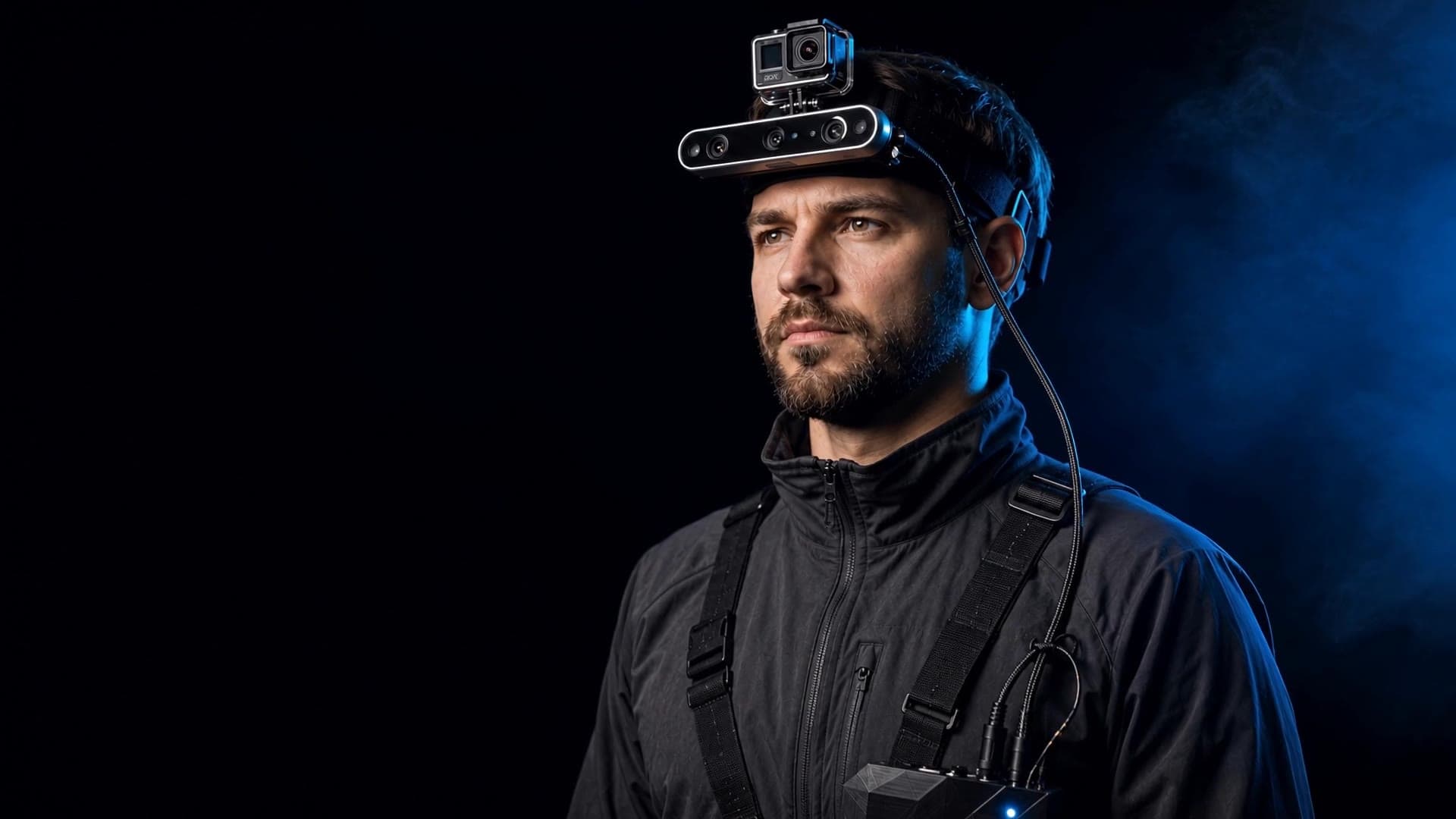
Egocentric human video splits the difference. Put a head-mounted rig on a person doing ordinary work — cooking, tidying, assembling, folding, ironing — and the camera captures roughly what a robot's own camera would see, plus the 3D pose of the hands doing the task. Because that first-person viewpoint sits so close to the robot's, the data transfers directly instead of forcing a model to bridge a third-person "video of someone else" gap.
The evidence got hard to argue with
The clearest signal comes from Georgia Tech's EgoMimic. Using Meta's Project Aria glasses — a 75-gram head-worn device whose side-facing cameras keep tracking the hands even when the wearer looks ahead of them — the team co-trained a policy on human and robot data as equal citizens, rather than treating human video as a vague "intent" signal.
Ninety minutes of Aria recordings drove a roughly 400% improvement in robot task performance versus prior methods — and the policy generalized to environments it had never seen.
The scaling law underneath is the part strategists should tattoo on the wall: one hour of additional human hand data is worth more than one hour of additional robot data. That inverts the economics of an entire industry. As EgoMimic's lead author put it, looking at Ego4D he "saw a dataset that's the same as all the large robot datasets we're trying to collect, except it's with humans. You just wear a pair of glasses, and you go do things."
It's a stack, not a monoculture
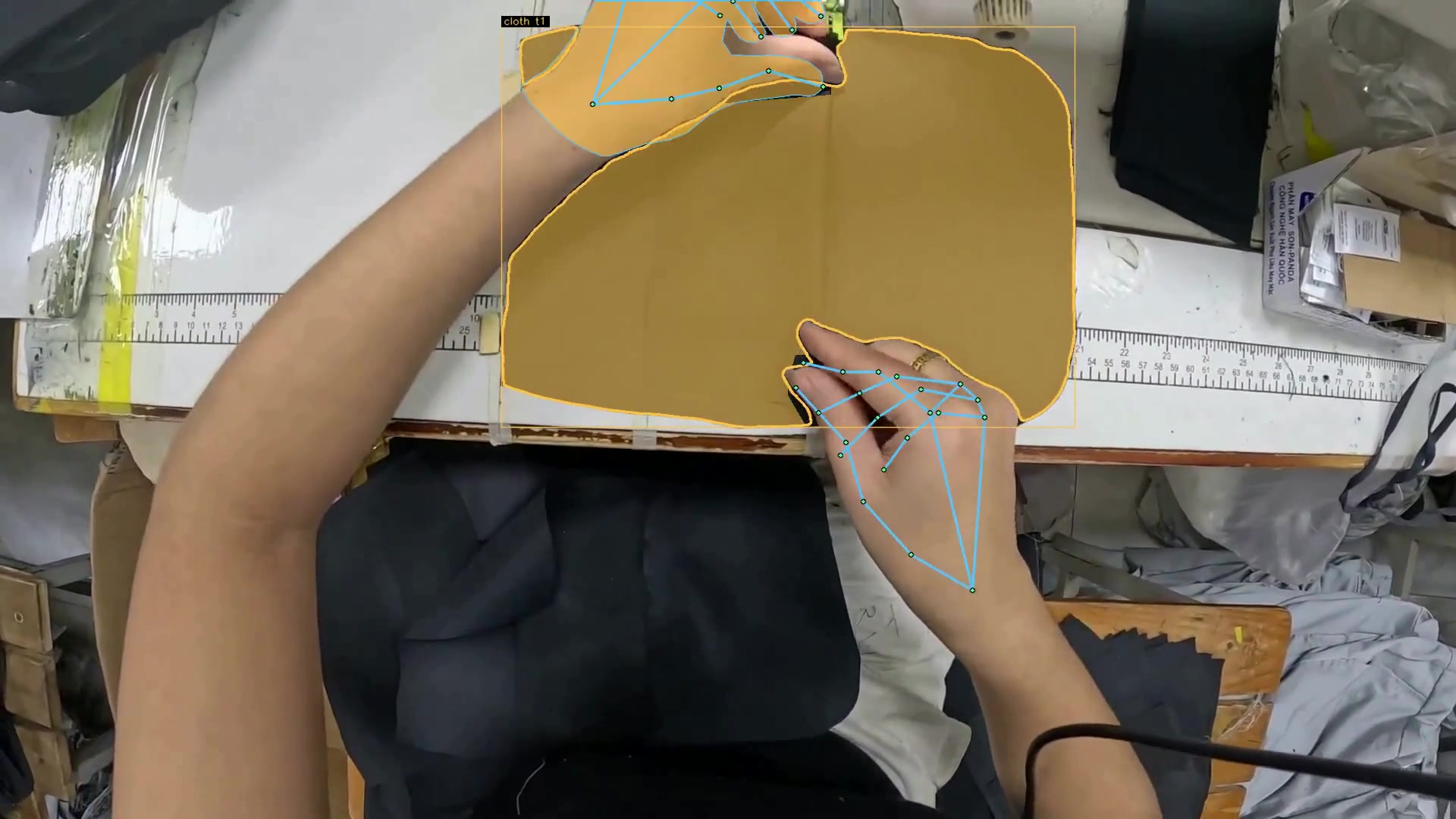
2026 didn't converge on one giant egocentric dataset — it converged on a stack, and every layer is load-bearing:
- Ego-Exo4D — ~3,000 hours of paired first- and third-person daily activity, the reference corpus for viewpoint alignment.
- EgoDex — owns dexterous, fine-grained hand manipulation.
- HOT3D — owns 3D hand-object interaction geometry.
- Egocentric-1M — ~1 million hours, industrial-scale pretraining fuel.
- DreamDojo (March 2026) — a foundation world model trained on 44,000 hours of egocentric human video: 15× more duration and 96× more skills than any prior dataset.
The takeaway isn't "pick the biggest." It's that first-person capture has become a real supply chain — and supply chains live or die on quality control at every node.
Why the viewpoint wins on three axes at once
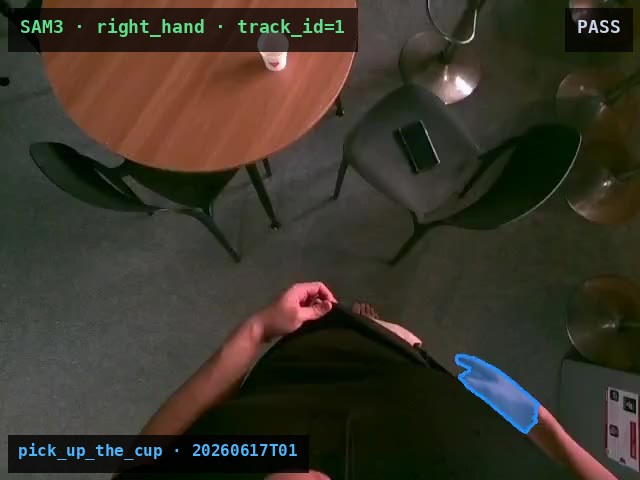
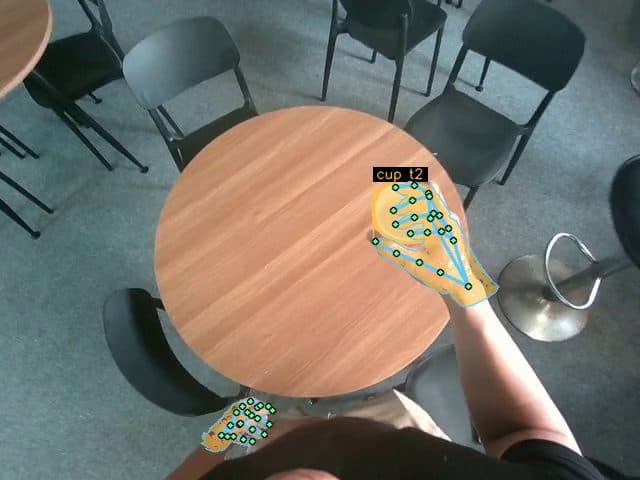
right_hand · track_id=1, auto-QC PASS). This linked-per-frame label is the supervision web video simply can't carry.First-person capture is not just cheaper. It's structurally better aligned to how a policy learns:
- Viewpoint alignment — the egocentric frame sits close to the robot's own sensor pose, so visual features transfer with far less domain gap than exocentric "third-person" video.
- Action grounding — paired hand tracking (a MANO-style 21-keypoint hand, plus a segmentation mask) turns pixels into supervision: every frame carries a pose the model can imitate, not just a scene to describe.
- Diversity at scale — a person wearing a rig collects across kitchens, workshops, and assembly lines all shift, capturing the lighting, clutter, and deformable-object chaos a policy actually has to survive.
The catch nobody advertises: quality
Egocentric data is not a free lunch. It still needs a little robot data to fine-tune, and — more importantly — it lives or dies on capture quality. A drifting hand track, a desynced stream, an occluded grasp, or a clip where the operator's body blocks the object all teach the model the wrong thing. Imitation learning copies its data faithfully, flaws included. Scale without QC just industrializes the noise.
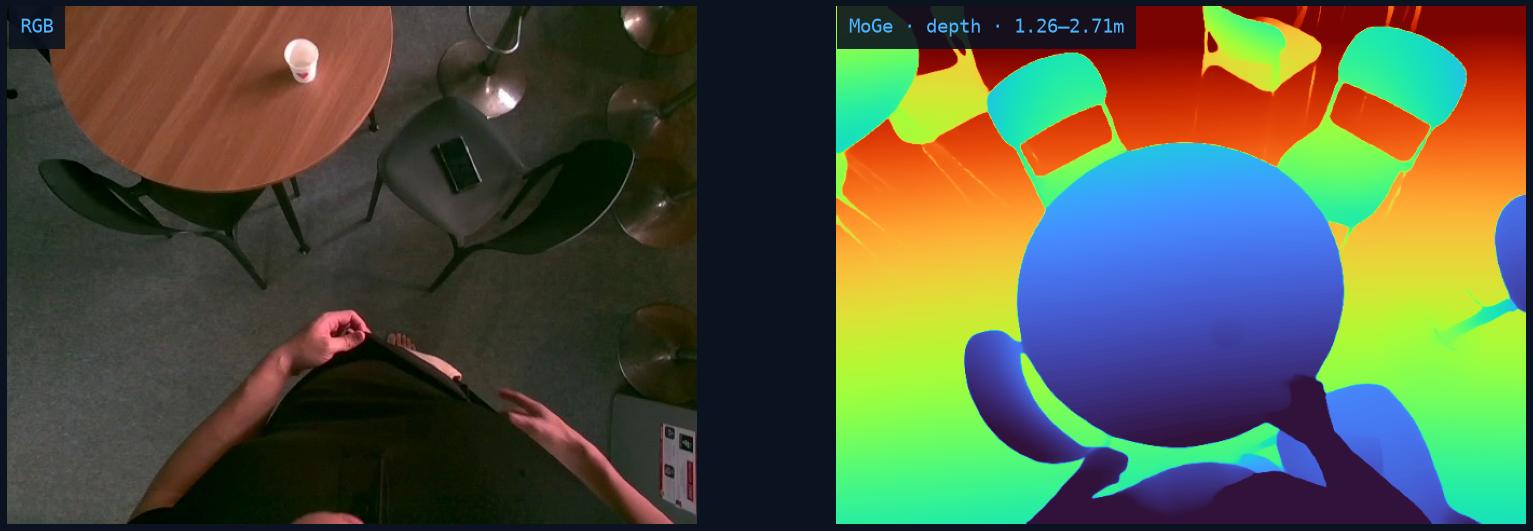
That's the unglamorous work separating a dataset a frontier lab will train on from a hard drive of GoPro footage: clean 3D hand tracking, hardware-clock synchronization across every stream, metric-depth sanity checks, and a gate that rejects occluded or drifting clips.
The economics nobody can ignore
Follow the money and the case gets sharper. A teleoperated robot cell yields on the order of 135 demonstrations an hour and needs a skilled operator married to a specific robot. A person in a capture rig collects across a whole shift, across many stations, with no robot in the loop at all — and the robots that data trains are getting cheaper by the quarter. Figure's fleet bills around $25 per robot-operating-hour at BMW; a walking Unitree G1 lists near $18,000; Tesla's long-term Optimus target is $20,000–$30,000. As the hardware commoditizes, the differentiator shifts decisively onto the data — and egocentric capture is the only source whose supply scales with people instead of with robot fleets.
The flywheel problem — and who it locks out
The best-funded programs are building "data flywheels": every hour a deployed robot works, it logs episodes that feed back into the next model. Tesla routes Optimus factory data into its Cortex compute; Figure ran an 11-month BMW trial on exactly this loop. The catch is that those datasets are proprietary and never shared — and if you don't already run robots at factory scale, you can't spin the flywheel at all.
Egocentric capture is the equalizer: you don't need a fleet of robots to build a data flywheel. You need people, rigs, and a QC pipeline that turns raw footage into training-grade episodes.
What this means if you're building
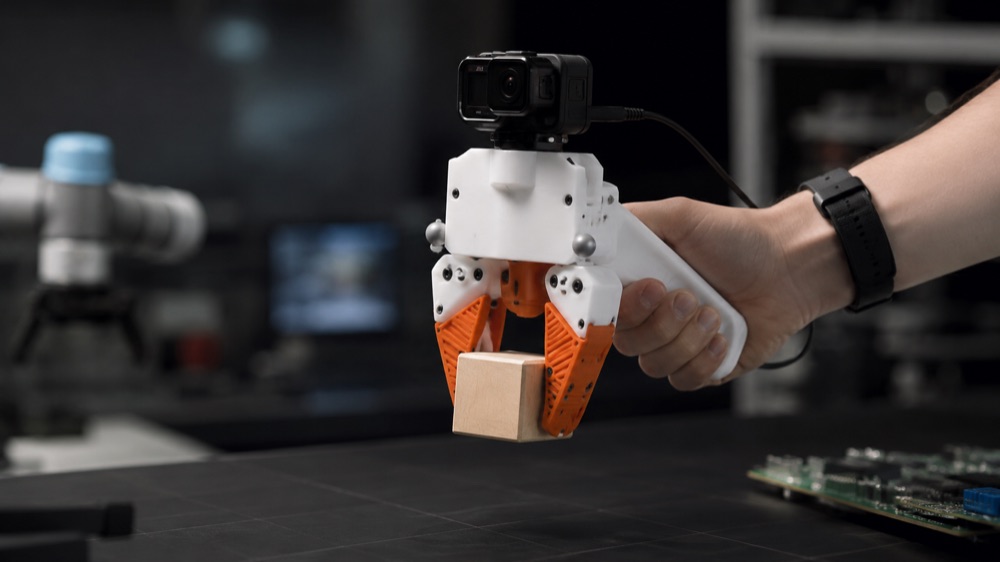
If you're training a manipulation policy in 2026, the strategic move is no longer "collect more teleop." It's to pair a smaller, well-chosen robot dataset with a large, diverse egocentric corpus — and to insist that the egocentric half is captured and QC'd to lab standard, not scraped. That's the foundry model Tbrain runs: real capture packs worn by operators on real production floors, action-paired and annotated with an 8-model pipeline (hand, body, masks, depth, verb-noun), then run through 15 machine-checkable hard rules and delivered RLDS- and LeRobot-ready in ≤48 hours.
The internet taught language models to read. Egocentric video is teaching robots to act. The labs that win won't be the ones with the most footage — they'll be the ones whose footage transfers. Want to see a sample? Tell us the task and the embodiment, and we'll scope a batch.